Working · Canada
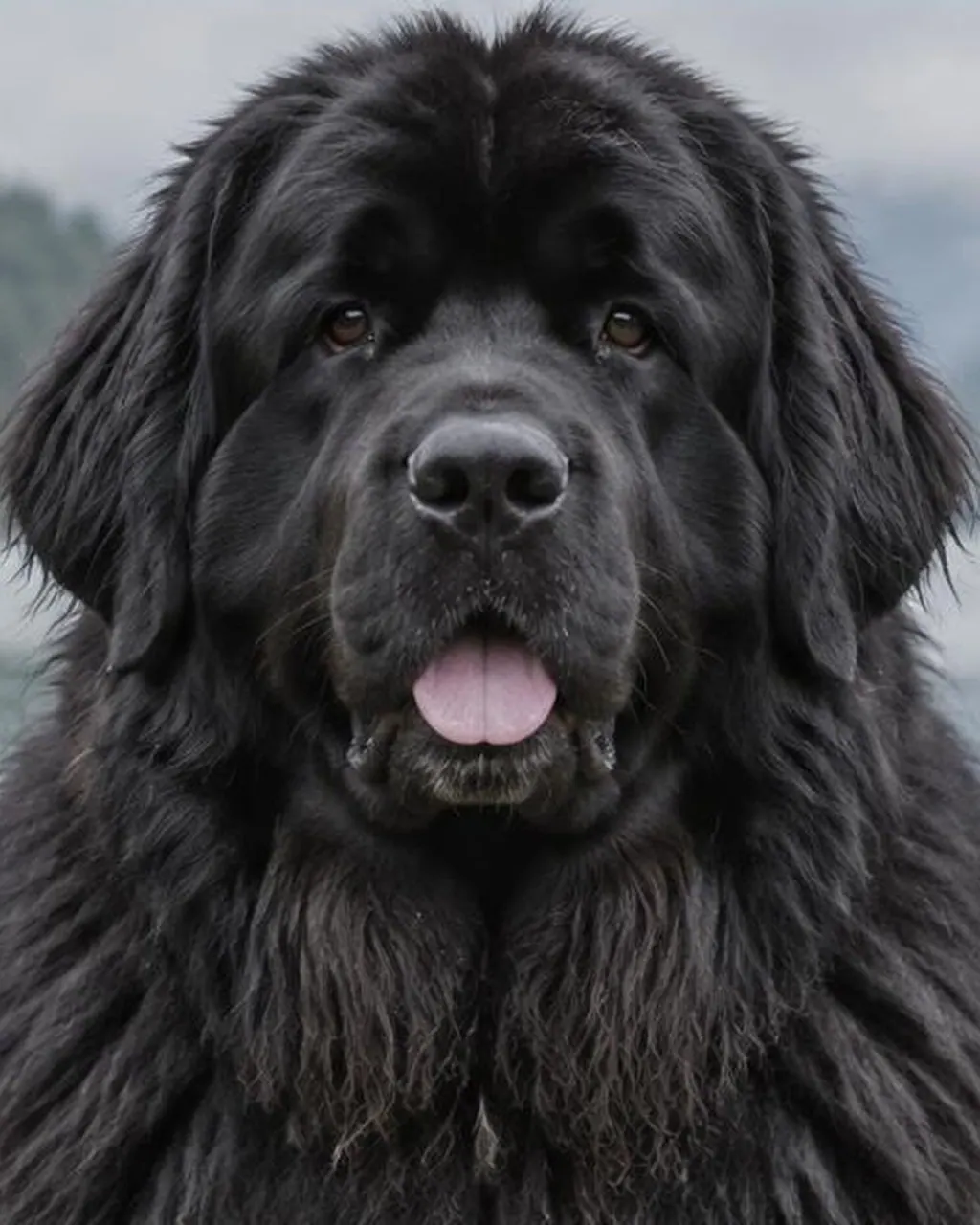
Newfoundlandtemperament, daily life and costs
A huge, soft-natured water dog with patience to spare. Food, drool, coat and medical costs all arrive at giant scale.
Origin & original purpose: Developed by Canadian fishing communities for water rescue and heavy hauling.
- They usually live
- 9–12 years
- Roughly, per year
- €2000–3400
Life with a Newfoundland
What people love about them
- Forms a meaningful bond with the right household
- Brings the original working character into everyday life
- Can thrive when its real needs are planned for
Things to weigh up honestly
- You dislike drool or heavy shedding
- Your climate is hot for much of the year
- Heart disease, hip and elbow dysplasia, cystinuria and bloat are important considerations.
What they're like
Some breeds shed less than others, which people with allergies sometimes find easier to live with. But no dog is completely allergy-free, and reactions vary from person to person.
A typical day together
- 07:00
Morning Routine
A walk of 23–34 minutes before the day starts properly. Ten minutes of training or a scent game keeps their head busy.
- 12:00
Midday & Independence
Midday is the hard part — they'd rather not be left for long stretches, so most homes need a plan for it.
- 17:30
Evening Energy Burn
A longer outing later on — 45–68 minutes across the day in total — then settling down with you.
- 21:00
Decompression & Care
Brushing most days, plus a groomer every 6–8 weeks
Estimated daily active commitment: ~1 hours
What they ask of you
- Exercise
- 45–68 min a day
- Your time
- 7–10 hours a week
- Walks, training, coat care and play together
- Space
- Really wants space — a garden and room to move suits them far better
- Coat care
- Brushing most days, plus a groomer every 6–8 weeks
- Typical yearly cost
- €2000–3400
- Food, insurance, routine vet care and grooming. Illness and emergencies come on top.
- Lifespan
- 9–12 years
- The whole of that time is the commitment, not just the puppy year.
What a year with this dog costs
An honest estimate, built from this breed's size and coat. Adjust the two things that really move the number, and you'll see the range change as you go.
Where you live
Insurance included
Professional grooming
- Food
- €580–€845
- Routine vet care and insurance
- €640–€955
- Grooming
- €385–€720
- Equipment and consumables
- €180–€315
- Buffer for the unexpected
- €215–€565
Your likely year
€2,000–€3,400
about €167–€283 a month
Real costs vary by country, by the size and appetite of your own dog, and by their health. Illness, dental work and emergencies can sit well above this range, which is why the buffer is here at all.
Best suited for
- An ordinary, active week — a decent walk morning and evening
- Family homes with children around
- Anyone who wants a dog close by, most of the day
Important things to consider
- Sheds a great deal — hair becomes part of the household
- Coat care is ongoing and adds a real cost each year
- Finds long days alone genuinely hard
- Strong on the lead until loose-lead work is solid
- Struggles in hot weather — summer walks need rethinking
Health considerations
Heart disease, hip and elbow dysplasia, cystinuria and bloat are important considerations. Ask for documented screening.
A poor match if…
- You dislike drool or heavy shedding
- Your climate is hot for much of the year
- A giant-dog budget and suitable transport are not available
Key trade-offs
- Famously gentle, physically overwhelming
- Calm energy, substantial care and cost
Questions people ask before committing to a Newfoundland
- Is a Newfoundland good with children?
- Yes — this is one of the more family-friendly dogs there is. A Newfoundland is usually tolerant and steady with children, though it still needs somewhere quiet to sleep.
- Can a Newfoundland live in an apartment?
- Honestly, apartment life is a poor fit for most Newfoundlands. Space, noise and the daily walks in and out of a building make it hard work for both of you.
- How much exercise does a Newfoundland need each day?
- Plan for around 60 minutes of real activity a day, split into more than one outing, plus something that uses its head — scent games, training, or a proper sniffing walk.
- Does a Newfoundland shed a lot?
- Yes — a lot. If loose hair genuinely bothers you, be honest with yourself before choosing a Newfoundland.
- Is a Newfoundland a good first dog?
- A reasonable first dog if you prepare. Read up, book a course early, and keep the daily routine simple.
- How long can a Newfoundland be left alone?
- Around 2 hours at a stretch once fully grown and gradually trained for it. Longer days need a dog walker, day care or someone dropping in — and a puppy needs far shorter stretches at first.
- What does a Newfoundland cost per year?
- Budget roughly €2000–3400 a year for food, routine vet care, insurance, grooming and everyday kit. Country, size and individual health move that figure quite a bit, and a single unlucky year can cost more.
These answers come from the same trait numbers used everywhere on DoggMatch — no marketing, no guesswork.
Read more before you decide
The guides that matter most for this breed, written in plain language.
Compare with similar breeds
Side by side on exercise, coat, time alone and cost — the things that decide how the week actually feels.
- Newfoundland
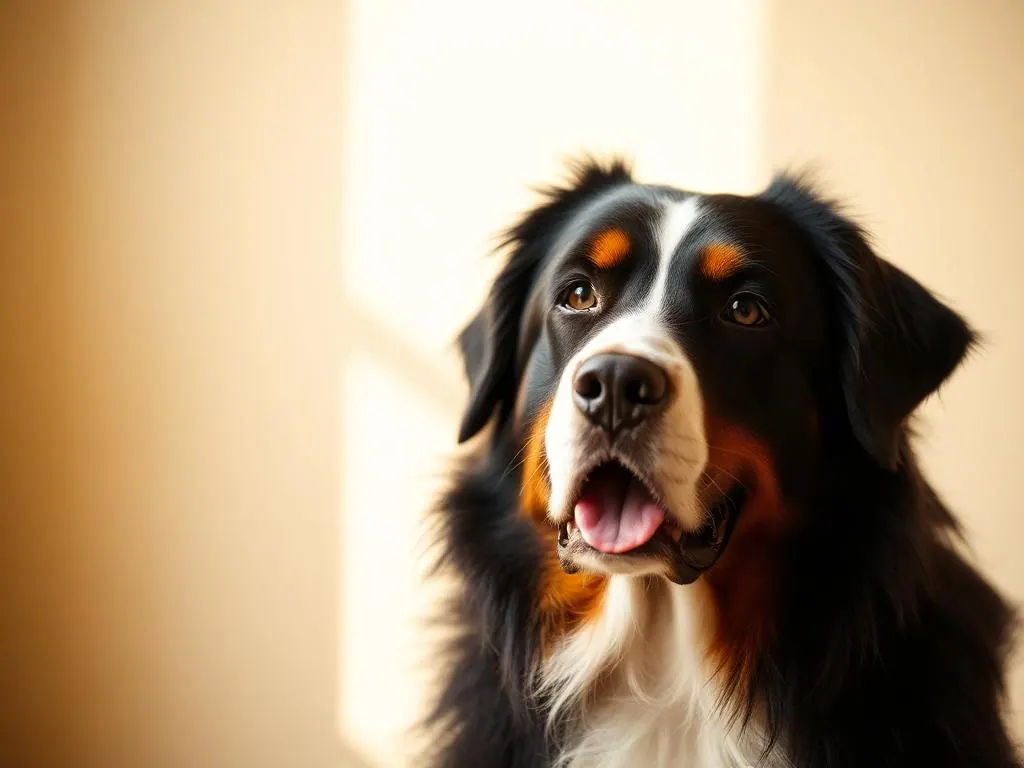 Bernese Mountain Dog
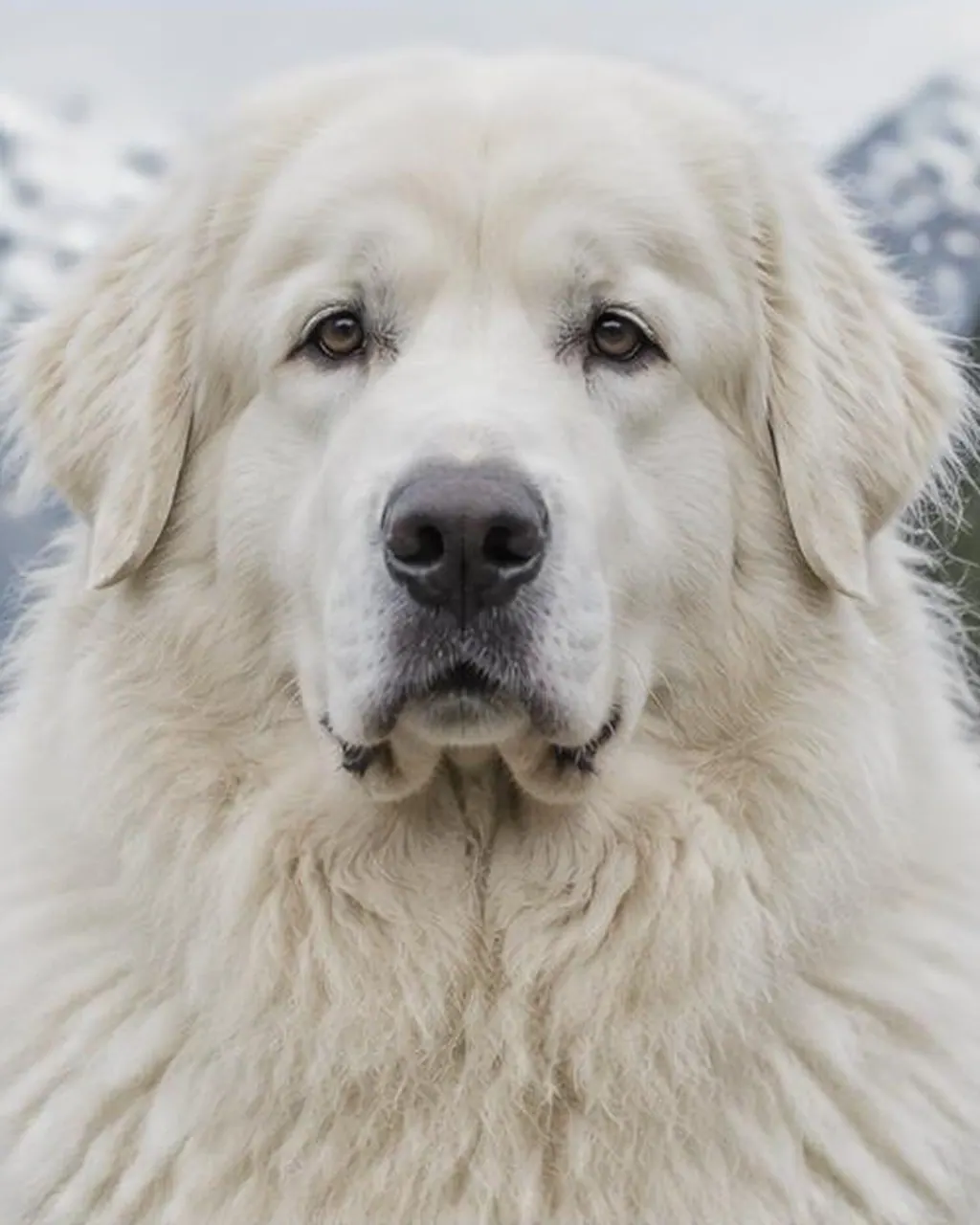 Great Pyrenees
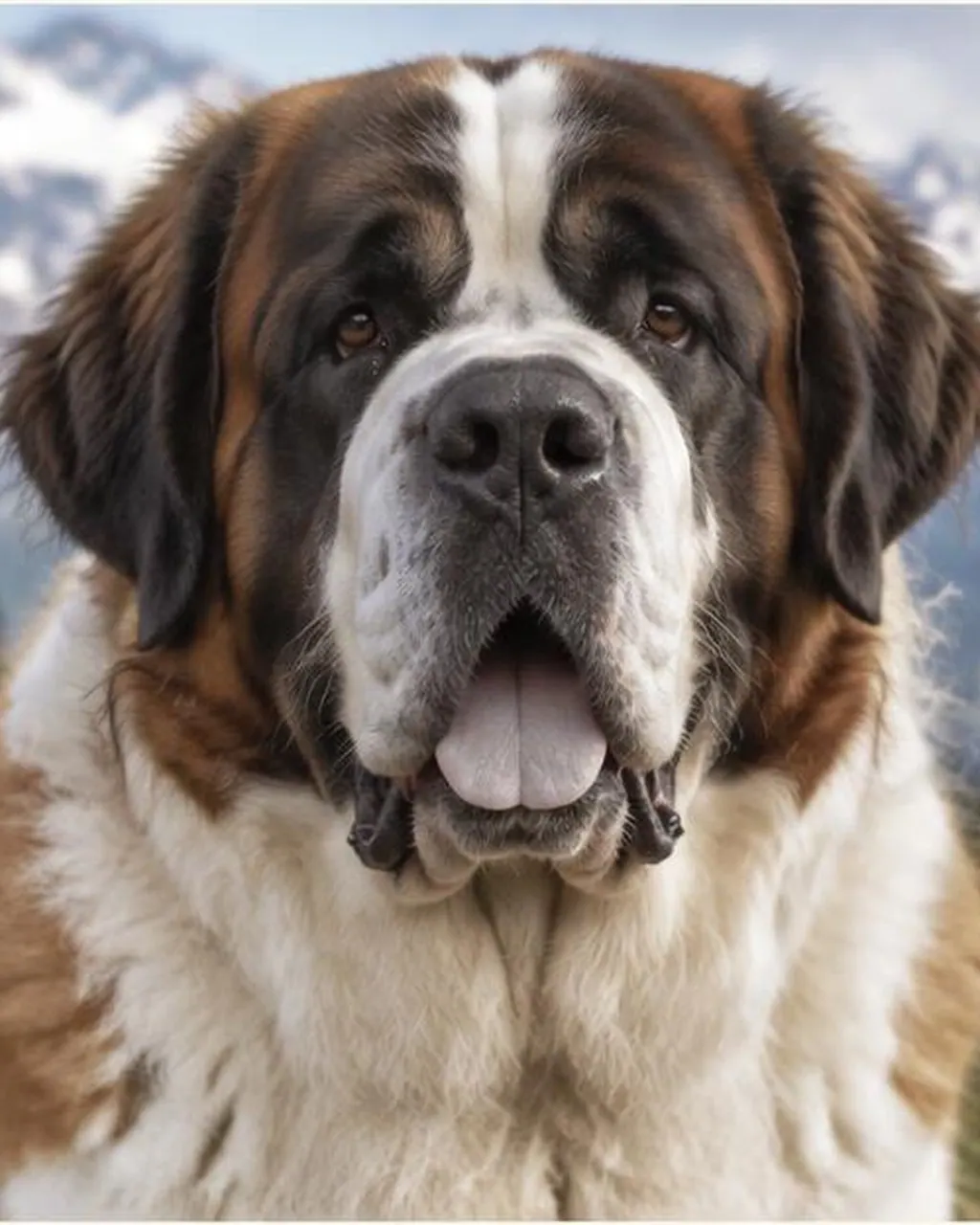 Saint Bernard
Not sure yet?
Let us read this breed against your own days
Fifteen short questions about your home, your hours and your energy. You get a ranked shortlist, the reasoning behind it, and this page will start speaking to your answers.
Takes about three minutes. Your answers stay on this device.