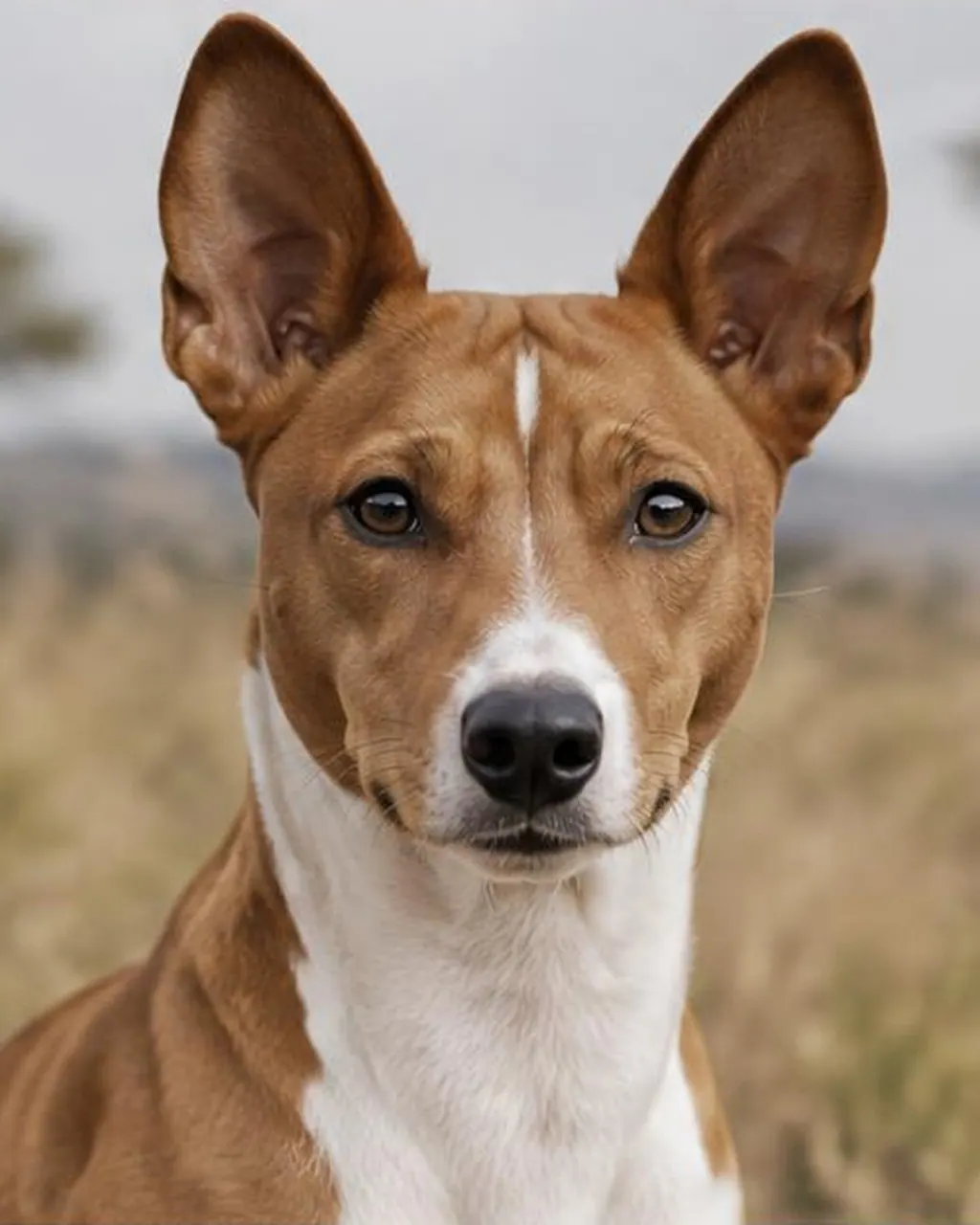
Hound · Southern Africa
Rhodesian Ridgebacktemperament, daily life and costs
Powerful, reserved and self-directed. A Ridgeback can be calm at home after real exercise, but is never a casual choice.
Origin & original purpose: Developed in southern Africa to track large game, guard homesteads and work at distance from people.
- They usually live
- 10–12 years
- Roughly, per year
- €1500–2500

Life with a Rhodesian Ridgeback
What people love about them
- Forms a meaningful bond with the right household
- Brings the original working character into everyday life
- Can thrive when its real needs are planned for
Things to weigh up honestly
- You need an easy first dog or eager obedience
- Small animals cannot be kept safely separate
- Hip and elbow dysplasia, thyroid disease, dermoid sinus and some cancers deserve attention in breeding lines.
What they're like
Some breeds shed less than others, which people with allergies sometimes find easier to live with. But no dog is completely allergy-free, and reactions vary from person to person.
A typical day together
- 07:00
Morning Routine
A walk of 35–53 minutes before the day starts properly. Ten minutes of training or a scent game keeps their head busy.
- 12:00
Midday & Independence
Happy to sleep through the middle of the day once the morning has been earned.
- 17:30
Evening Energy Burn
A longer outing later on — 70–105 minutes across the day in total — then settling down with you.
- 21:00
Decompression & Care
A quick brush once a week is usually enough
Estimated daily active commitment: ~1.5 hours
What they ask of you
- Exercise
- 70–105 min a day
- Your time
- 9–13 hours a week
- Walks, training, coat care and play together
- Space
- Really wants space — a garden and room to move suits them far better
- Coat care
- A quick brush once a week is usually enough
- Typical yearly cost
- €1500–2500
- Food, insurance, routine vet care and grooming. Illness and emergencies come on top.
- Lifespan
- 10–12 years
- The whole of that time is the commitment, not just the puppy year.
What a year with this dog costs
An honest estimate, built from this breed's size and coat. Adjust the two things that really move the number, and you'll see the range change as you go.
Where you live
Insurance included
Professional grooming
- Food
- €525–€770
- Routine vet care and insurance
- €600–€905
- Grooming
- €40–€100
- Equipment and consumables
- €175–€305
- Buffer for the unexpected
- €160–€415
Your likely year
€1,500–€2,495
about €125–€208 a month
Real costs vary by country, by the size and appetite of your own dog, and by their health. Illness, dental work and emergencies can sit well above this range, which is why the buffer is here at all.
Best suited for
- People who are outdoors every day, whatever the weather
- People who have lived with a dog before
- Family homes with children around
- Someone who likes a dog with its own opinions
Important things to consider
- Strong on the lead until loose-lead work is solid
- Feels the cold, so winter needs a coat and shorter outings
Health considerations
Hip and elbow dysplasia, thyroid disease, dermoid sinus and some cancers deserve attention in breeding lines.
A poor match if…
- You need an easy first dog or eager obedience
- Small animals cannot be kept safely separate
- Firm, fair training and secure fencing are unavailable
Key trade-offs
- Calm adult presence, demanding adolescence
- Easy coat, powerful prey drive
Questions people ask before committing to a Rhodesian Ridgeback
- Is a Rhodesian Ridgeback good with children?
- Yes — a Rhodesian Ridgeback is typically patient and easy-going with children, as long as the dog gets rest and children learn to respect it.
- Can a Rhodesian Ridgeback live in an apartment?
- Honestly, apartment life is a poor fit for most Rhodesian Ridgebacks. Space, noise and the daily walks in and out of a building make it hard work for both of you.
- How much exercise does a Rhodesian Ridgeback need each day?
- Plan for around 90 minutes of real activity a day, split into more than one outing, plus something that uses its head — scent games, training, or a proper sniffing walk.
- Does a Rhodesian Ridgeback shed a lot?
- Moderate shedding all year, with heavier periods in spring and autumn. Brushing a few times a week makes a real difference.
- Is a Rhodesian Ridgeback a good first dog?
- Possible for a determined first-time owner with good help — a trainer from week one, and realistic expectations.
- How long can a Rhodesian Ridgeback be left alone?
- Around 4 hours at a stretch once fully grown and gradually trained for it. Longer days need a dog walker, day care or someone dropping in — and a puppy needs far shorter stretches at first.
- What does a Rhodesian Ridgeback cost per year?
- Budget roughly €1500–2500 a year for food, routine vet care, insurance, grooming and everyday kit. Country, size and individual health move that figure quite a bit, and a single unlucky year can cost more.
These answers come from the same trait numbers used everywhere on DoggMatch — no marketing, no guesswork.
Read more before you decide
The guides that matter most for this breed, written in plain language.
Compare with similar breeds
Side by side on exercise, coat, time alone and cost — the things that decide how the week actually feels.
- Rhodesian Ridgeback
 Bloodhound
 Beagle
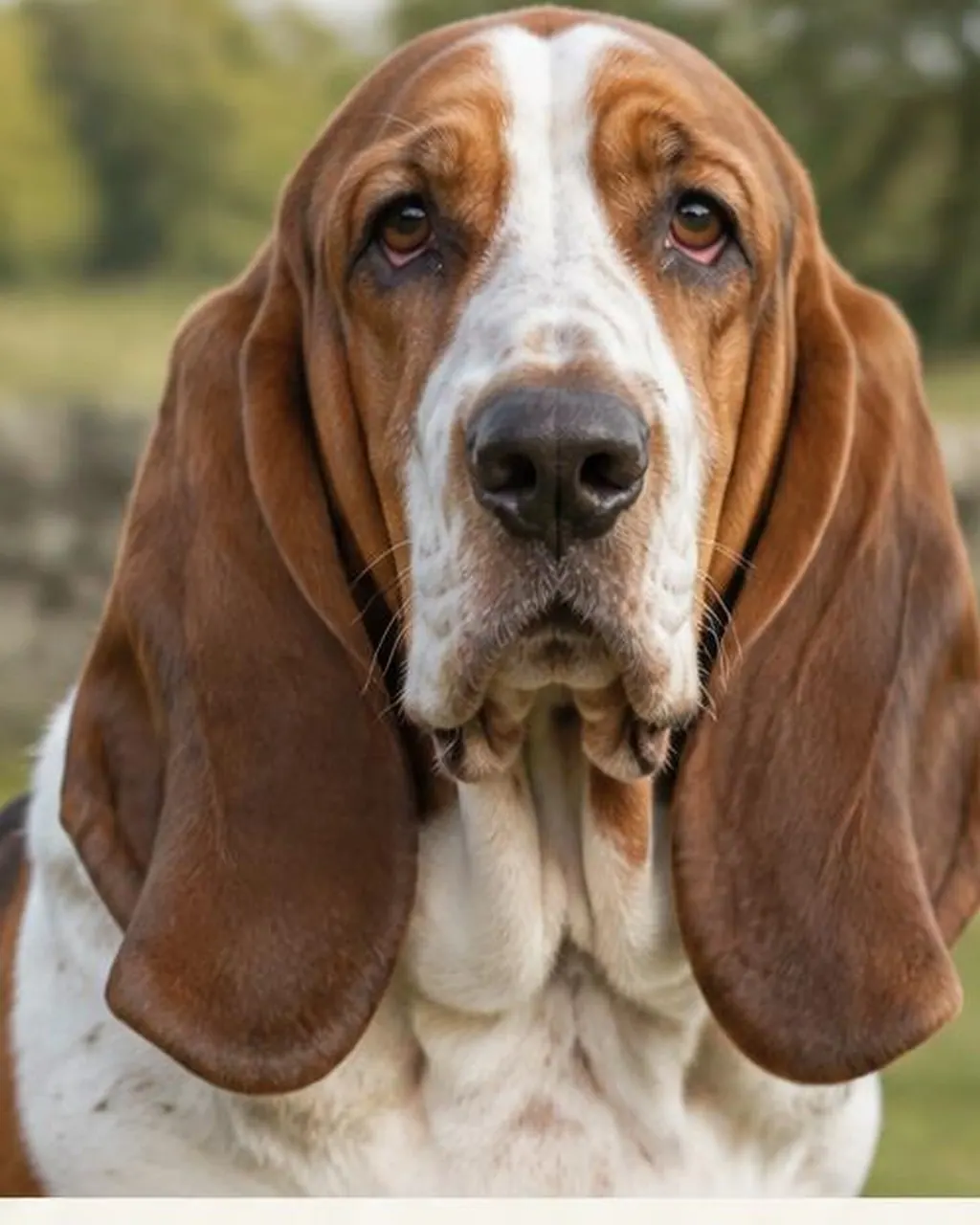 Basset Hound
Not sure yet?
Let us read this breed against your own days
Fifteen short questions about your home, your hours and your energy. You get a ranked shortlist, the reasoning behind it, and this page will start speaking to your answers.
Takes about three minutes. Your answers stay on this device.