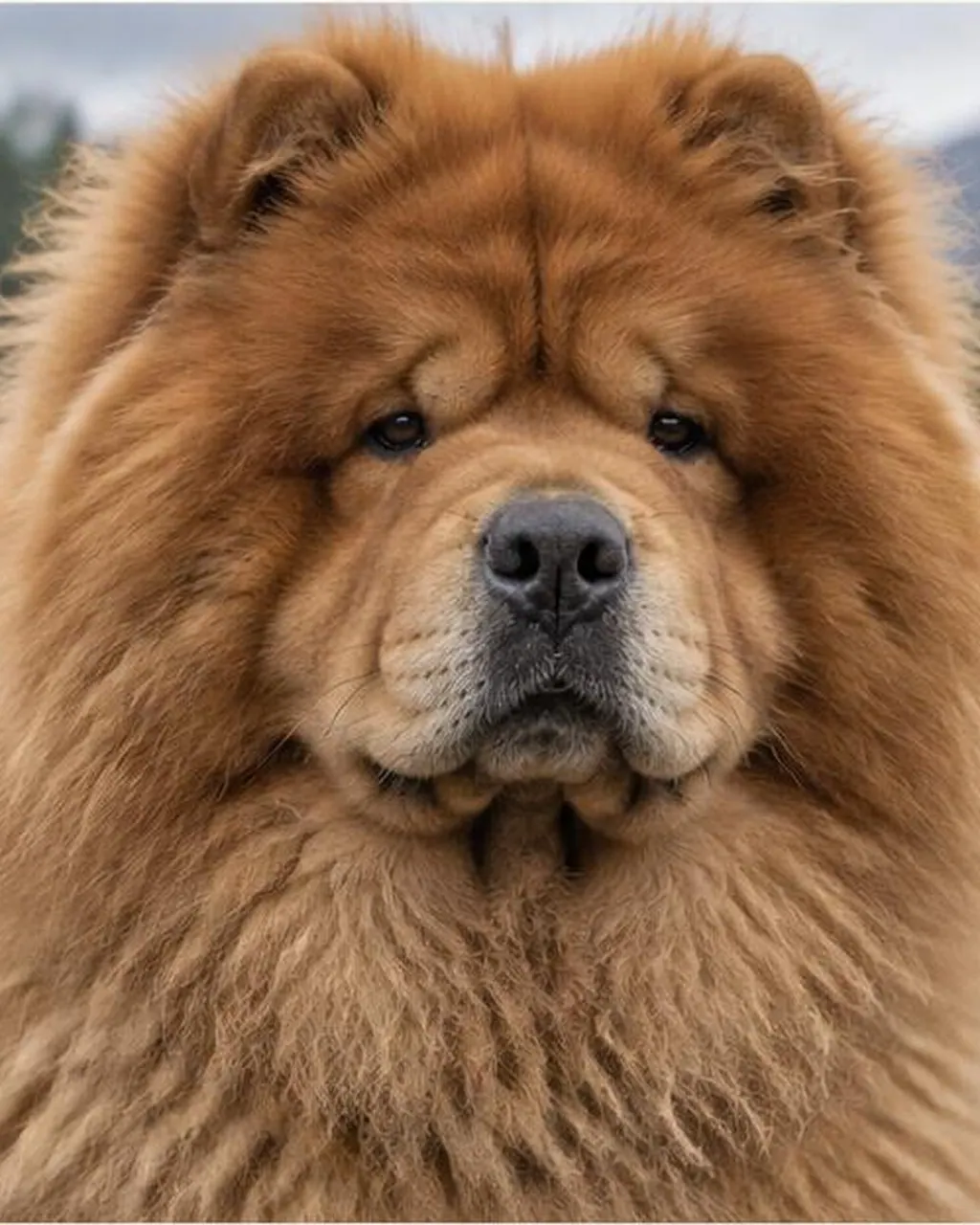
Spitz · Siberia
Siberian Huskytemperament, daily life and costs
Beautiful, friendly and built to run all day. A Husky rarely does what you want just because you asked.
Origin & original purpose: Huskies were bred by the Chukchi people of north-eastern Siberia as sled dogs, built to pull light loads over long distances in bitter cold, and they still love to run.
- They usually live
- 12–15 years
- Roughly, per year
- €1200–2000
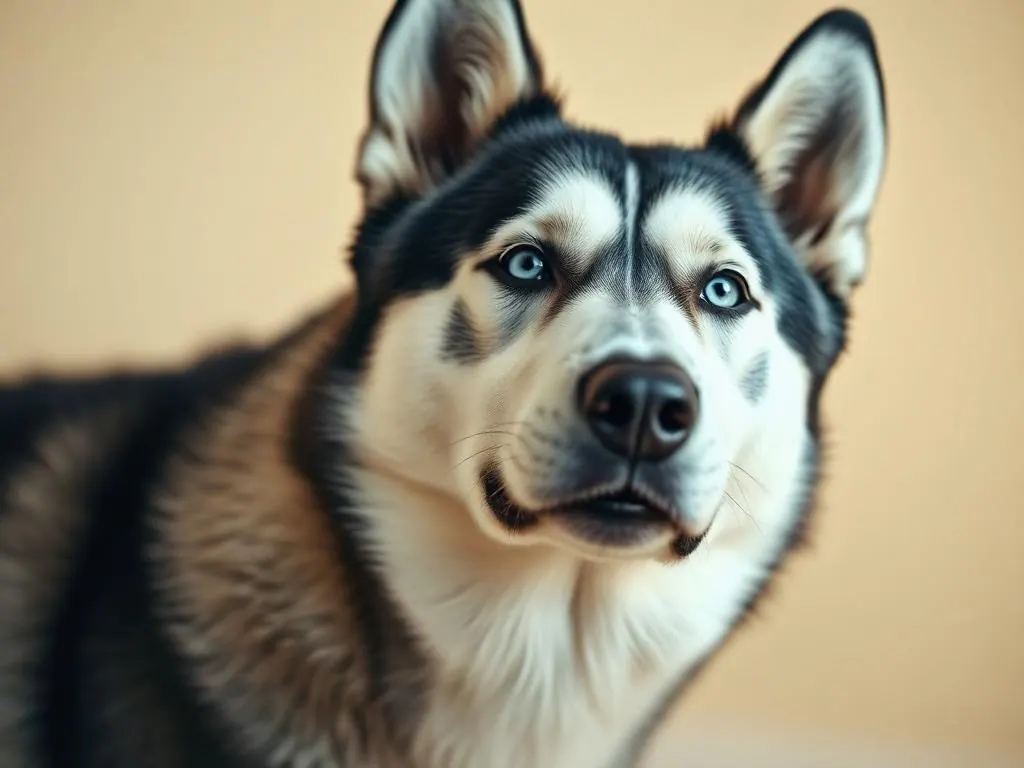
Life with a Siberian Husky
What people love about them
- Sociable with people and dogs
- Made for cold weather and long distances
- Rarely barks
- Clean, with little doggy smell
Things to weigh up honestly
- Escapes gardens with real determination and doesn't reliably come back
- Recall is a lifelong project, not a weekend fix
- Blows their coat twice a year — everywhere, for weeks
- Genuinely suffers in warm climates or a hot summer
What they're like
Some breeds shed less than others, which people with allergies sometimes find easier to live with. But no dog is completely allergy-free, and reactions vary from person to person.
A typical day together
- 07:00
Morning Routine
A walk of 50–75 minutes before the day starts properly. Needs something to think about every day. Without it, walks alone won't be enough.
- 12:00
Midday & Independence
Midday is the hard part — they'd rather not be left for long stretches, so most homes need a plan for it.
- 17:30
Evening Energy Burn
A longer outing later on — 100–150 minutes across the day in total — then settling down with you.
- 21:00
Decompression & Care
A proper brush a couple of times a week
Estimated daily active commitment: ~2 hours
What they ask of you
- Exercise
- 100–150 min a day
- Your time
- 13–19 hours a week
- Walks, training, coat care and play together
- Space
- Really wants space — a garden and room to move suits them far better
- Coat care
- A proper brush a couple of times a week
- Typical yearly cost
- €1200–2000
- Food, insurance, routine vet care and grooming. Illness and emergencies come on top.
- Lifespan
- 12–15 years
- The whole of that time is the commitment, not just the puppy year.
What a year with this dog costs
An honest estimate, built from this breed's size and coat. Adjust the two things that really move the number, and you'll see the range change as you go.
Where you live
Insurance included
Professional grooming
- Food
- €390–€570
- Routine vet care and insurance
- €450–€670
- Grooming
- €100–€200
- Equipment and consumables
- €130–€225
- Buffer for the unexpected
- €130–€335
Your likely year
€1,200–€2,000
about €100–€167 a month
Real costs vary by country, by the size and appetite of your own dog, and by their health. Illness, dental work and emergencies can sit well above this range, which is why the buffer is here at all.
Best suited for
- People who are outdoors every day, whatever the weather
- People who have lived with a dog before
- Family homes with children around
- Someone who likes a dog with its own opinions
Important things to consider
- Sheds a great deal — hair becomes part of the household
- Finds long days alone genuinely hard
- Strong on the lead until loose-lead work is solid
- Boredom shows up fast, usually as unwanted behaviour
- Struggles in hot weather — summer walks need rethinking
Health considerations
It's a fairly robust breed; eyes and hips are the usual things to ask about, and a thick coat means heat is a real concern in warm weather. They also shed heavily twice a year. Ask the breeder what health checks the parents had, and read the breed profile. General guidance, not a vet.
A poor match if…
- You'd like a dog that comes back every time when off the lead
- Your home is hot, or your days are short on time for running
- You want a quiet dog that's easy to keep in a flat
Key trade-offs
- Friendly, striking and full of stamina, and a real escape artist that howls rather than barks
- Loves running with you, and needs a lot of it, whatever the weather
Questions people ask before committing to a Siberian Husky
- Is a Siberian Husky good with children?
- Yes — a Siberian Husky is typically patient and easy-going with children, as long as the dog gets rest and children learn to respect it.
- Can a Siberian Husky live in an apartment?
- Honestly, apartment life is a poor fit for most Siberian Huskys. Space, noise and the daily walks in and out of a building make it hard work for both of you.
- How much exercise does a Siberian Husky need each day?
- Plan for around 120 minutes of real activity a day, split into more than one outing, plus something that uses its head — scent games, training, or a proper sniffing walk.
- Does a Siberian Husky shed a lot?
- Yes — a lot. If loose hair genuinely bothers you, be honest with yourself before choosing a Siberian Husky.
- Is a Siberian Husky a good first dog?
- We would not recommend it as a first dog. A Siberian Husky asks for experience, timing and consistency that are hard to build from scratch.
- How long can a Siberian Husky be left alone?
- Around 2 hours at a stretch once fully grown and gradually trained for it. Longer days need a dog walker, day care or someone dropping in — and a puppy needs far shorter stretches at first.
- What does a Siberian Husky cost per year?
- Budget roughly €1200–2000 a year for food, routine vet care, insurance, grooming and everyday kit. Country, size and individual health move that figure quite a bit, and a single unlucky year can cost more.
These answers come from the same trait numbers used everywhere on DoggMatch — no marketing, no guesswork.
Read more before you decide
The guides that matter most for this breed, written in plain language.
Compare with similar breeds
Side by side on exercise, coat, time alone and cost — the things that decide how the week actually feels.
- Siberian Husky
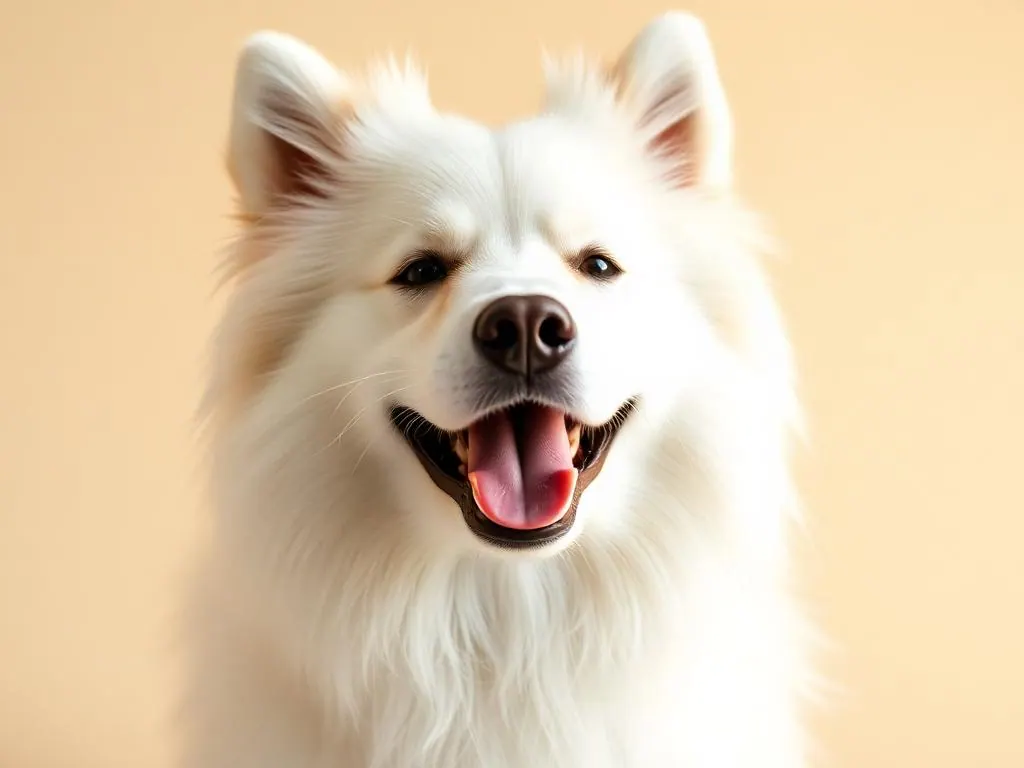 Samoyed
 Akita
Akita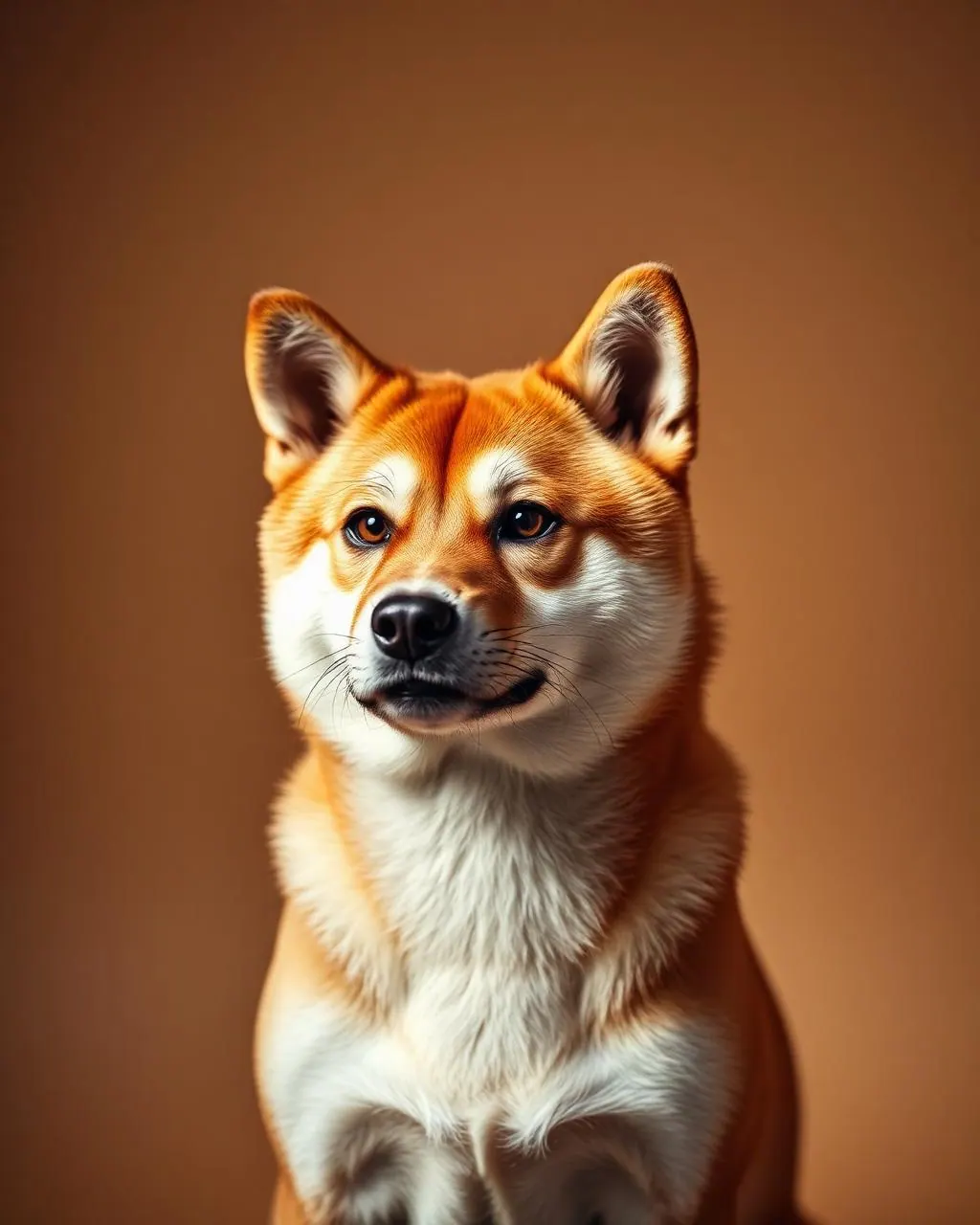 Shiba Inu
Not sure yet?
Let us read this breed against your own days
Fifteen short questions about your home, your hours and your energy. You get a ranked shortlist, the reasoning behind it, and this page will start speaking to your answers.
Takes about three minutes. Your answers stay on this device.