DoggMatch

Get ready

Getting everything ready.

Your home, your days, and the practical things that are far easier to sort out now than in the middle of a first week with a new dog.

Your home

Almost any home can be a good home.

Dogs care much less about square metres than people expect. What's within ten minutes of your front door matters far more.

  • A flat

    Perfectly workable. Think about stairs or a lift, neighbours, and where you'll go for the first walk of the day.

  • A house

    Space indoors matters less than you'd expect. What matters is the walking within ten minutes of your door.

  • A garden

    Lovely to have, and not a substitute for a walk. Check the fence, the gate and anything growing that shouldn't be eaten.

  • City

    Busy pavements, traffic, lifts and cafés. City dogs need to be comfortable with noise more than anything else.

  • Suburb

    Usually the easiest of all: quiet streets, green space nearby, and somewhere to let off steam at the weekend.

  • Rural

    Space and freedom, with livestock, wildlife and a longer drive to the vet to think about.

Worth checking

  • Stairs, and whether your dog could manage them at both ends of life
  • A lift, and whether they'll be comfortable in one
  • Outdoor space, and how secure it really is
  • Green areas within an easy walk
  • Somewhere safe to let a dog run
  • Cafés, shops and transport that welcome dogs

Your everyday life

What does an ordinary week look like for you?

The dog has to fit the week you actually have, not the one you'd like to have. Find yourself below.

  • Quiet homebody

    Steady routines and short, regular walks. A calmer dog will be happier here than an athlete.

  • Active outdoors

    Weekends on trails, weather no object. A fit dog who can build up distance with you.

  • City life

    Pavements, transport, crowds. Confidence around noise matters more than size.

  • Family life

    Noise, visitors, school runs. Tolerance and a place to retreat to are what count.

  • Working from home

    Wonderful for a dog — as long as they also learn to be alone sometimes.

  • Retired or flexible

    Time and routine, which is most of what a dog wants. Think about strength on the lead.

  • Frequent traveller

    Entirely possible with a plan: a regular sitter, or a dog who travels well with you.

Allergies

What we can honestly say.

Some breeds tend to shed less than others, and people with allergies sometimes find them easier to live with. But no dog is completely allergy-free. The proteins people react to are in saliva and skin as well as hair, and reactions vary enormously from person to person.

If someone in your home has allergies, spend real time with the individual dog before you commit — several visits, not one — and talk to your doctor. That tells you far more than any breed list, including ours.

Time alone

How long is too long?

Most adult dogs manage three or four hours alone comfortably once they've learned how. A puppy can't do that at first — they need someone there most of the day for the first months, and building up to being alone is a skill you teach slowly.

  • Practise short absences from the very first week, before there's any need
  • A midday walker or a neighbour turns a difficult day into an easy one
  • Daycare a couple of days a week suits some dogs and overwhelms others
  • A dog who panics when left needs help early — it rarely improves on its own

Before they arrive

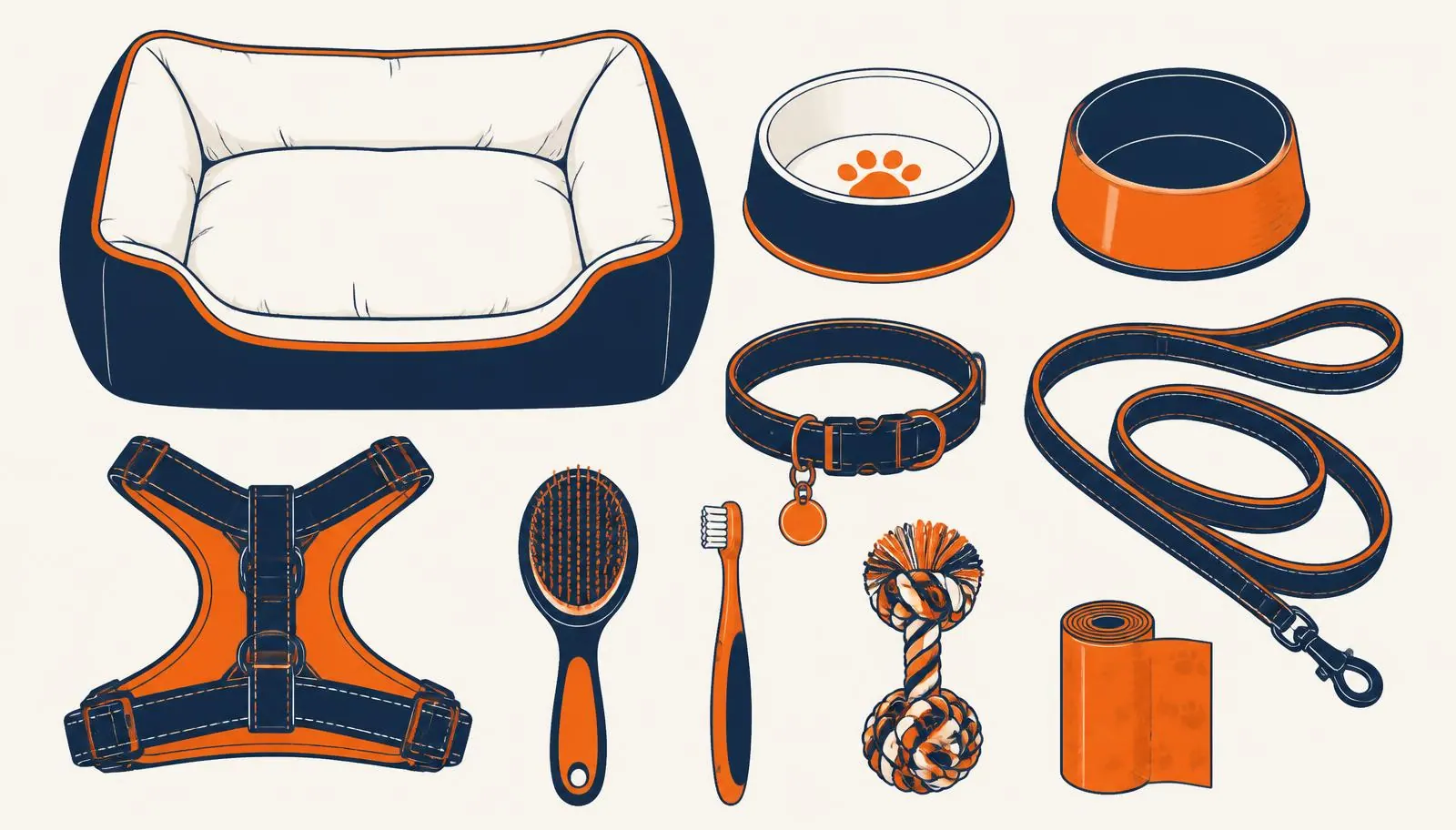
The arrival checklist.

Tick things off as you get them. It saves as you go, on this device, so you can come back to it in a shop.

0 / 17

One honest note

Buy less than you think. A bed, bowls, food, a harness, a lead and an ID tag will get you through the first week perfectly well. You'll learn what your dog actually likes soon enough.