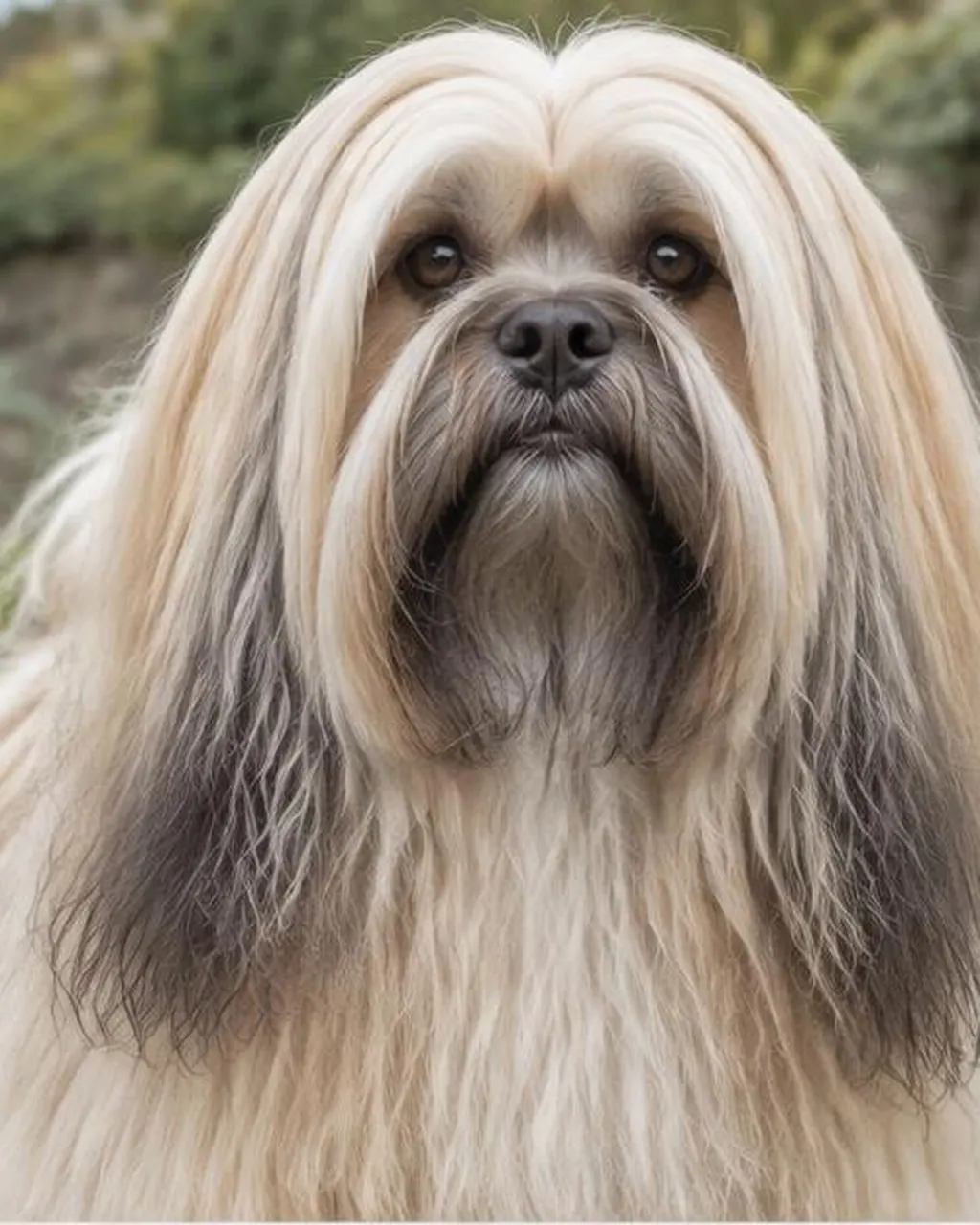
Companion · Mediterranean
Bichon Frisetemperament, daily life and costs
A small white cloud with a cheerful streak. Sociable, bright and happiest with people around.
Origin & original purpose: Bichons descend from small water dogs of the Mediterranean, and for centuries they've been kept as companions across southern Europe.
- They usually live
- 13–16 years
- Roughly, per year
- €1200–2000

Life with a Bichon Frise
What people love about them
- Sheds very little
- Friendly with children and other dogs
- Suits flats and small gardens
- Learns quickly and loves praise
Things to weigh up honestly
- A groomer visit every 4–6 weeks, and it isn't optional
- Really doesn't cope with being left alone for long
- Skin and ears need regular attention
- Housetraining needs real consistency to stick
What they're like
Some breeds shed less than others, which people with allergies sometimes find easier to live with. But no dog is completely allergy-free, and reactions vary from person to person.
A typical day together
- 07:00
Morning Routine
A walk of 15–23 minutes before the day starts properly. Ten minutes of training or a scent game keeps their head busy.
- 12:00
Midday & Independence
Midday is the hard part — they'd rather not be left for long stretches, so most homes need a plan for it.
- 17:30
Evening Energy Burn
A longer outing later on — 30–45 minutes across the day in total — then settling down with you.
- 21:00
Decompression & Care
Brushing most days, plus a groomer every 6–8 weeks
Estimated daily active commitment: ~0.5 hours
What they ask of you
- Exercise
- 30–45 min a day
- Your time
- 5–7 hours a week
- Walks, training, coat care and play together
- Space
- Content in a flat, provided they get out often enough
- Coat care
- Brushing most days, plus a groomer every 6–8 weeks
- Typical yearly cost
- €1200–2000
- Food, insurance, routine vet care and grooming. Illness and emergencies come on top.
- Lifespan
- 13–16 years
- The whole of that time is the commitment, not just the puppy year.
What a year with this dog costs
An honest estimate, built from this breed's size and coat. Adjust the two things that really move the number, and you'll see the range change as you go.
Where you live
Insurance included
Professional grooming
- Food
- €235–€330
- Routine vet care and insurance
- €345–€490
- Grooming
- €370–€655
- Equipment and consumables
- €120–€195
- Buffer for the unexpected
- €130–€335
Your likely year
€1,200–€2,005
about €100–€167 a month
Real costs vary by country, by the size and appetite of your own dog, and by their health. Illness, dental work and emergencies can sit well above this range, which is why the buffer is here at all.
Best suited for
- Quieter homes and shorter, gentler walks
- First-time owners willing to put the early work in
- Family homes with children around
- Flats and town living
- Anyone who wants a dog close by, most of the day
Important things to consider
- Coat care is ongoing and adds a real cost each year
- Finds long days alone genuinely hard
Health considerations
Teeth, skin and kneecaps are the usual places to look in a small white-coated breed: dental care is a routine, and skin allergies are commonly seen. A short, regular grooming routine matters. Ask the breeder what health checks the parents had, and read the breed profile. General guidance, not a vet.
A poor match if…
- You'd struggle to keep up with brushing and a professional groom every six to eight weeks
- Your dog would be alone for a long working day, most days
- You'd like a dog that's happy to be left to itself
Key trade-offs
- Cheerful, friendly and low-shedding, with a coat that never stops needing attention
- Happiest wherever you are, and unhappiest when you leave
Questions people ask before committing to a Bichon Frise
- Is a Bichon Frise good with children?
- Yes — a Bichon Frise is typically patient and easy-going with children, as long as the dog gets rest and children learn to respect it.
- Can a Bichon Frise live in an apartment?
- Yes — apartments suit a Bichon Frise well. Give it a fixed resting spot and reliable walks and the space itself is rarely the problem.
- How much exercise does a Bichon Frise need each day?
- Plan for around 45 minutes of real activity a day, split into more than one outing, plus something that uses its head — scent games, training, or a proper sniffing walk.
- Does a Bichon Frise shed a lot?
- Very little loose hair around the home. Expect regular trips to a groomer instead — low shedding almost always means more coat care.
- Is a Bichon Frise a good first dog?
- Yes — a Bichon Frise is a forgiving first dog for most people who can give it time.
- How long can a Bichon Frise be left alone?
- Around 1 hours at a stretch once fully grown and gradually trained for it. Longer days need a dog walker, day care or someone dropping in — and a puppy needs far shorter stretches at first.
- What does a Bichon Frise cost per year?
- Budget roughly €1200–2000 a year for food, routine vet care, insurance, grooming and everyday kit. Country, size and individual health move that figure quite a bit, and a single unlucky year can cost more.
These answers come from the same trait numbers used everywhere on DoggMatch — no marketing, no guesswork.
Read more before you decide
The guides that matter most for this breed, written in plain language.
Compare with similar breeds
Side by side on exercise, coat, time alone and cost — the things that decide how the week actually feels.
- Bichon Frise
 Maltipoo
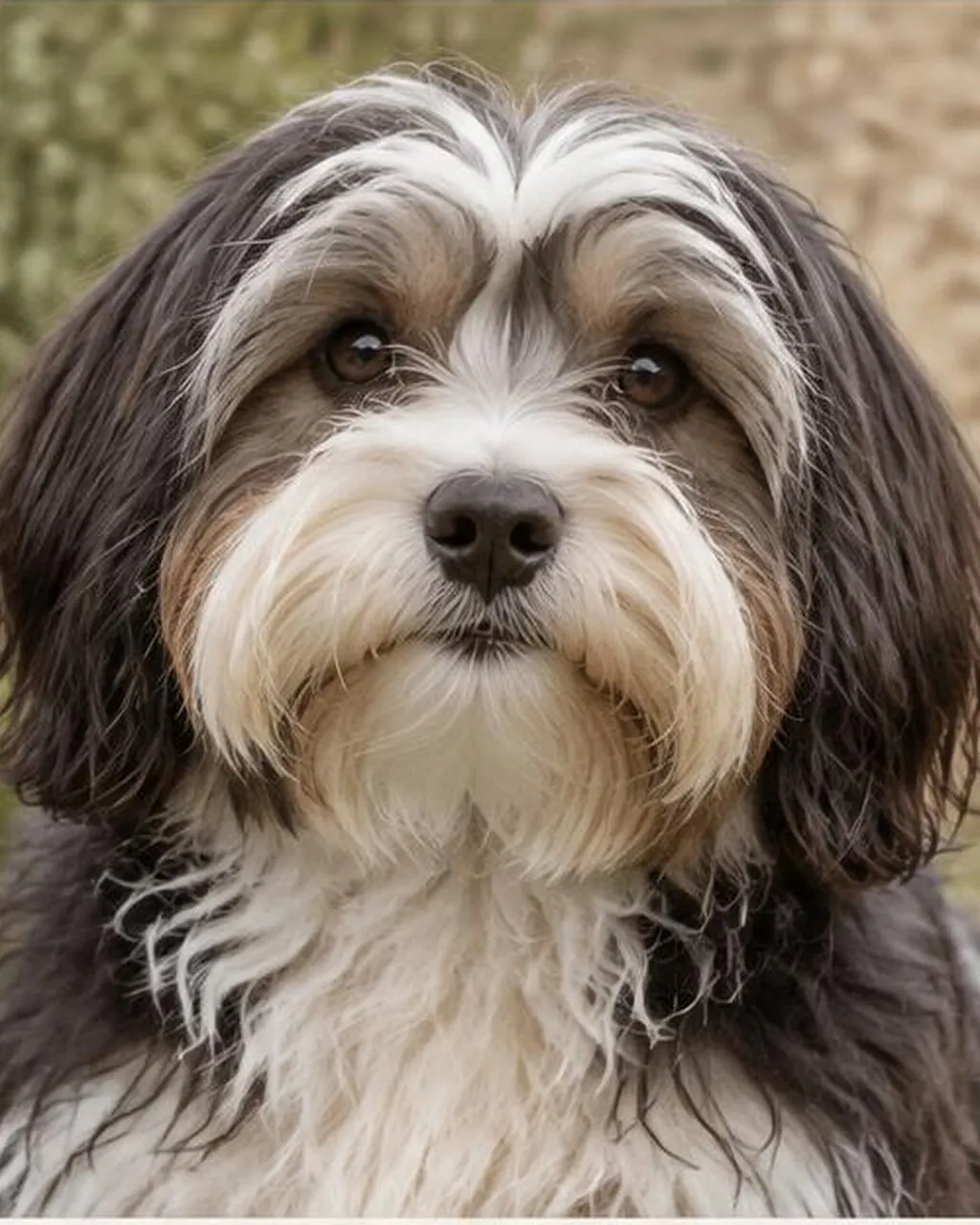 Havanese
 Cavapoo
Not sure yet?
Let us read this breed against your own days
Fifteen short questions about your home, your hours and your energy. You get a ranked shortlist, the reasoning behind it, and this page will start speaking to your answers.
Takes about three minutes. Your answers stay on this device.