
Choosing a dog
A calmer companion: a kind, steady dog for daily walks
You don't need a dog that runs marathons or turns heads. You'd like someone steady to walk beside every day, and a home that stays quiet and easy. That's a perfectly good thing to want — and it's more specific than 'a small dog'. Here's what to look at, and the seven breeds that came out best, each with the catch we think you should hear before you fall for them.

How we chose
- We started from the same trait data the matching engine uses, and looked for calm energy, easy training, low barking and moderate exercise needs — the traits that make everyday life gentle.
- Then we read each breed against its health picture. A calm dog with a heavy vet bill, or a short and uncomfortable life, won't give you a calm life.
- Flat-faced breeds (French bulldogs, pugs, English bulldogs, Boston terriers, shih tzus) often score well for calm and size. We've left them off on purpose — see the health section.
Seven breeds worth meeting
Each one is steady on a lead and settled at home. None is perfect, and every card says what to expect on the harder days.
Cavalier King Charles Spaniel
Gentle, affectionate and happy with an easy walk — heart problems are commonly seen in the breed, and long days alone are hard on them. Read the breed profile and ask a vet what heart checks make sense; general guidance, not a vet.
- Trainability
- High
- Barking
- Low
- Exercise needs
- Low
- Time alone
- Very low

Whippet
Quiet, clean and calm indoors, with a couple of proper sprints a week — but the chase instinct is real off the lead, and they feel the cold.
- Trainability
- Moderate
- Barking
- Very low
- Exercise needs
- Moderate
- Time alone
- Low

Greyhound
A gentle sofa dog that only needs short walks and a safe place to run — but it's a big dog, and it will chase anything small and fast.
- Trainability
- Moderate
- Barking
- Very low
- Exercise needs
- Low
- Time alone
- Moderate

Maltese
Tiny, gentle and calm indoors — but it's quick to bark at every sound, the coat needs brushing most days, and long days alone are hard on it.
- Trainability
- High
- Barking
- High
- Exercise needs
- Very low
- Time alone
- Very low

Havanese
Cheerful, sociable and quick to learn — but it wants company nearly all day, and the coat needs brushing most days.
- Trainability
- High
- Barking
- Moderate
- Exercise needs
- Low
- Time alone
- Very low

Bichon Frise
Cheerful and low-shedding, lovely with visitors — but the grooming is a real commitment, and long days alone are hard.
- Trainability
- High
- Barking
- Moderate
- Exercise needs
- Low
- Time alone
- Very low
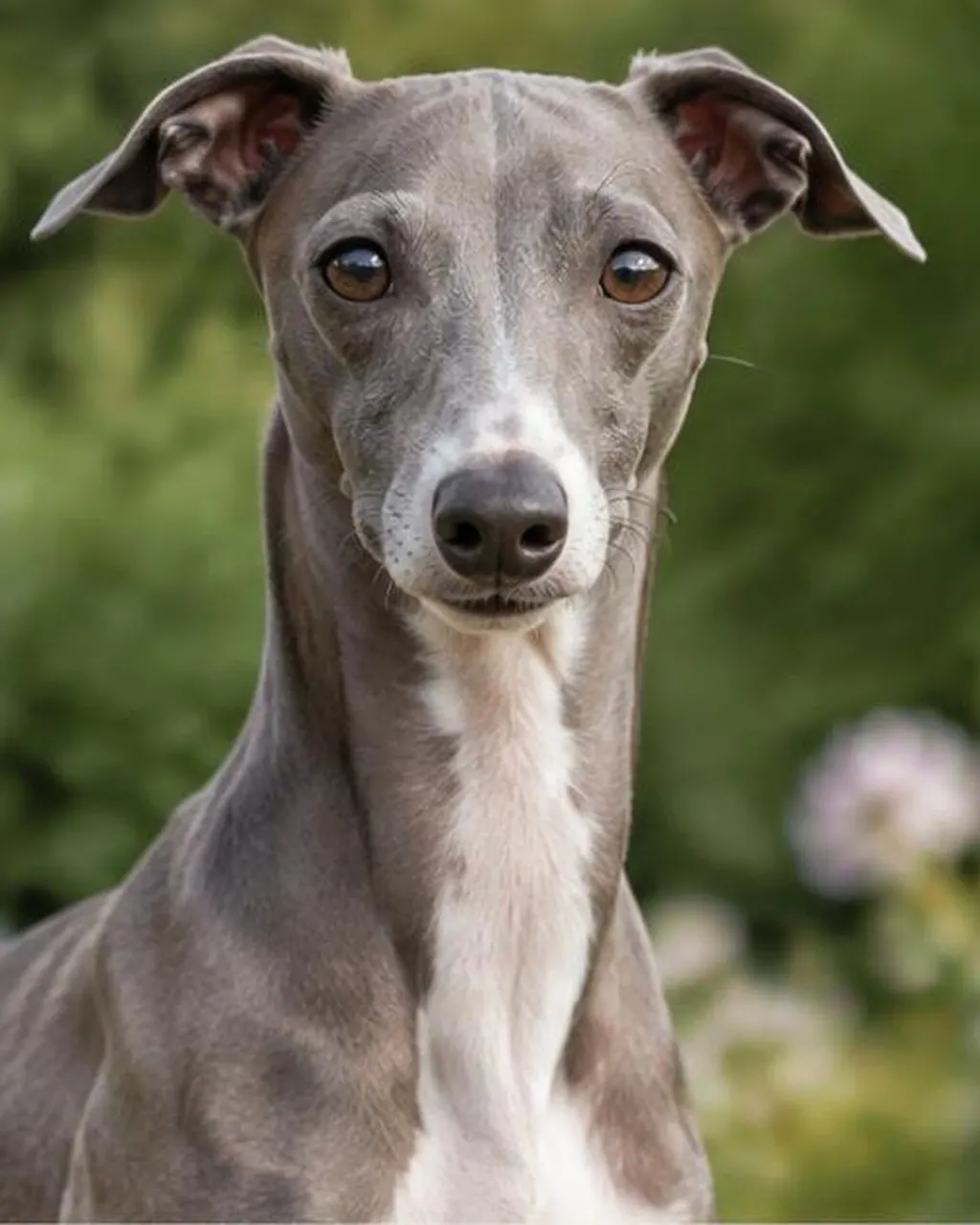
Italian Greyhound
Small, quiet and affectionate — but the legs are very fine, so ask a vet how to keep jumping and rough play safe, and read the breed profile; it also feels the cold. General guidance, not a vet.
- Trainability
- Moderate
- Barking
- Low
- Exercise needs
- Low
- Time alone
- Very low
Whichever you're drawn to, meet the actual dog — and, with a puppy, the parents. A calm breed still produces the occasional lively individual, and the parents' temperament tells you more than any list.
Size: 'not too big' is about handling, not looks
What matters is whether you can hold the lead on a slippery pavement, and lift your dog into the car or onto the vet's table if you have to. A small dog is easy to handle in almost every way; a medium, well-trained dog is fine too. Once a dog gets bigger, its manners need to be really good.
Very small dogs bring their own worries: they're easier to trip over and to hurt, and they get cold quickly. A medium, sturdy dog is often the steadier companion.
Trainability: what 'easy' really means
An easy dog wants to work things out with you: it learns a cue in a handful of repeats and settles afterwards. That's trainability, and it's separate from energy. A calm dog that ignores you is not an easy one.
Even quick learners need a few minutes of practice every day. The reward is a dog that walks nicely beside you, comes when called and doesn't turn every doorbell into an event.
Street manners: the part you'll feel every day
Pulling on the lead, barking at other dogs and lunging at bikes wear you down far faster than a long walk does. Look for breeds that bark little and take strangers calmly, and start lead training in the first week — one short, quiet lesson is enough.
Sighthounds such as whippets and greyhounds are gentle and quiet, but they'll chase whatever runs. Keep them on a lead near traffic or wildlife, and use a fenced space for a proper run.
Health burdens worth avoiding
Flat-faced dogs can struggle in warm weather — heat risk is one of the welfare concerns the British Veterinary Association raises — and breathing trouble is commonly seen in these breeds, which is why they're not on our list even where the engine likes them. Ask what a breed is commonly known for: heart trouble in some breeds such as Cavaliers, back trouble in long-backed dogs, delicate legs in very fine-boned breeds. Read the breed profile, then ask a vet — this is general guidance, not a vet.
A good breeder will show you health-test results for both parents. If they can't or won't, walk away — however sweet the puppy. And think about insurance early: it costs far less than the first bill you didn't plan for.
Small is not the same as easy
Toy breeds are often the most dependent: many struggle to be left, bark at every sound and need regular grooming. They're also fragile in a busy house or on a staircase.
So ask yourself three things: how long will the dog be alone, how much brushing will you really do, and how steady are you on your feet? Answer honestly and the shortlist gets shorter — in a good way.
Health notes on this page are general guidance, not a vet. For breed health information, see The Kennel Club (UK) and RVC VetCompass, and for heat risk the British Veterinary Association — all listed, with the date we last checked them, on our sources page. For your own dog, your vet knows best. See our sources
The right dog is the one that fits your days
A shortlist is a place to start. The Find My Dog quiz takes your home, your week and what you'd rather not deal with, and shows you the reasoning behind every score — so you can judge it yourself.