
DoggMatch

My Dog

A healthy mouth matters

A few gentle minutes, a few times a week, and your dog's mouth stays a lot more comfortable.

Most dogs have some sort of dental trouble by the time they're a few years old, and it's easy to miss because dogs rarely make a fuss about it.

The good news: brushing is the single most useful thing you can do at home, and almost every dog can learn to enjoy it if you take it slowly.

  1. Step 1

    Let them look at it first

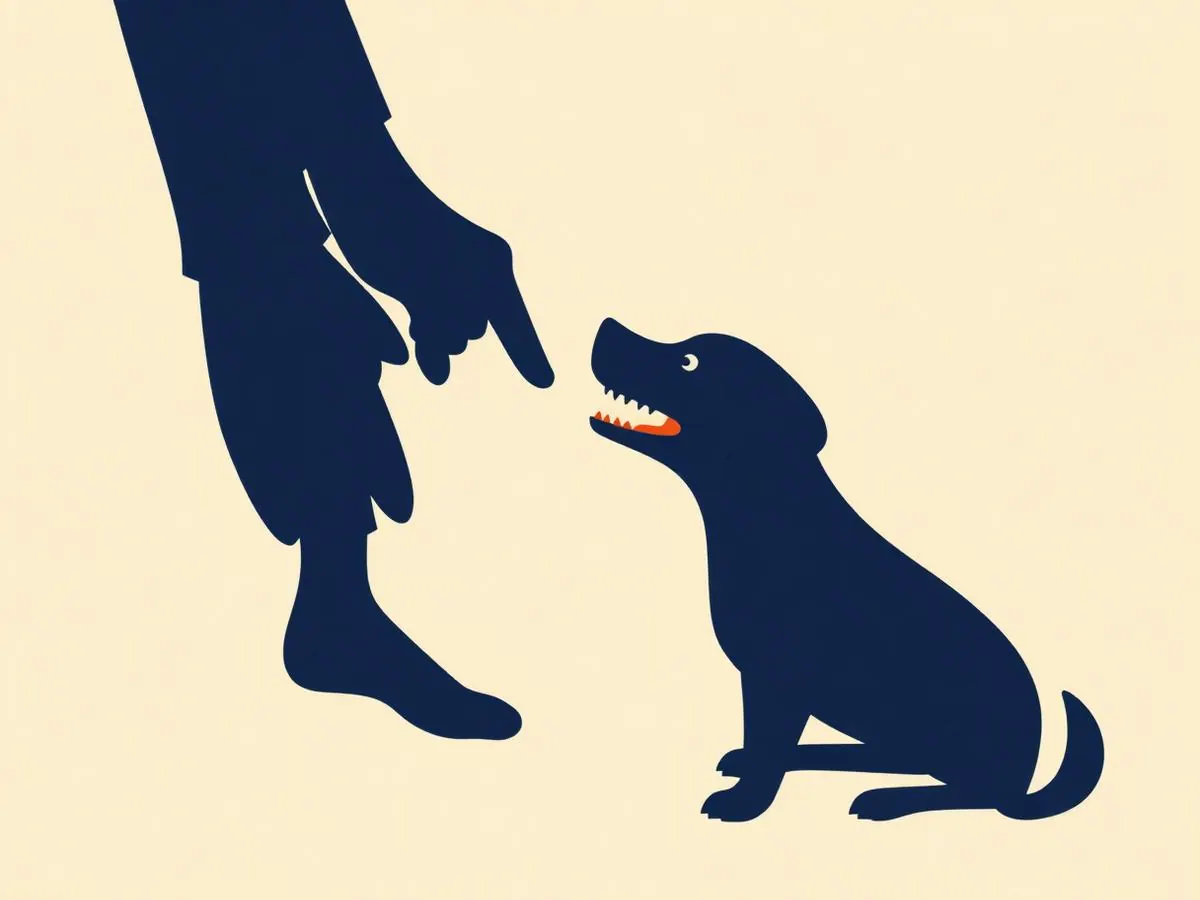
    Put the toothbrush on the floor and let your dog sniff it. Nothing else happens. This part matters more than it sounds.

  2. Step 2

    Touch the lips, then the teeth

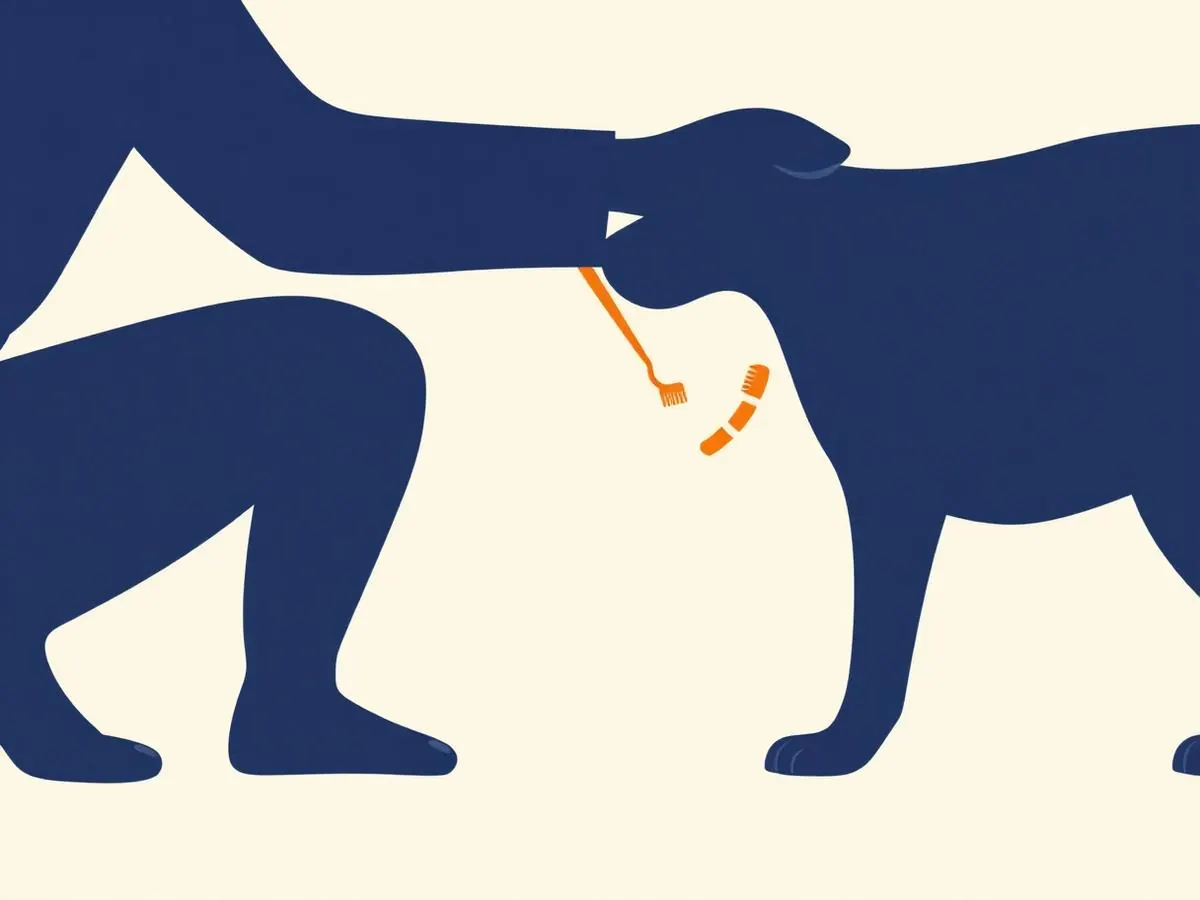
    Lift a lip for a second, praise, let go. Then a finger along the outside of the teeth. Keep it short and cheerful.

  3. Step 3

    Add dog toothpaste

    Let them lick a little off your finger — most are meat or poultry flavoured, and dogs generally like them. Never use human toothpaste; it isn't made to be swallowed.

  4. Step 4

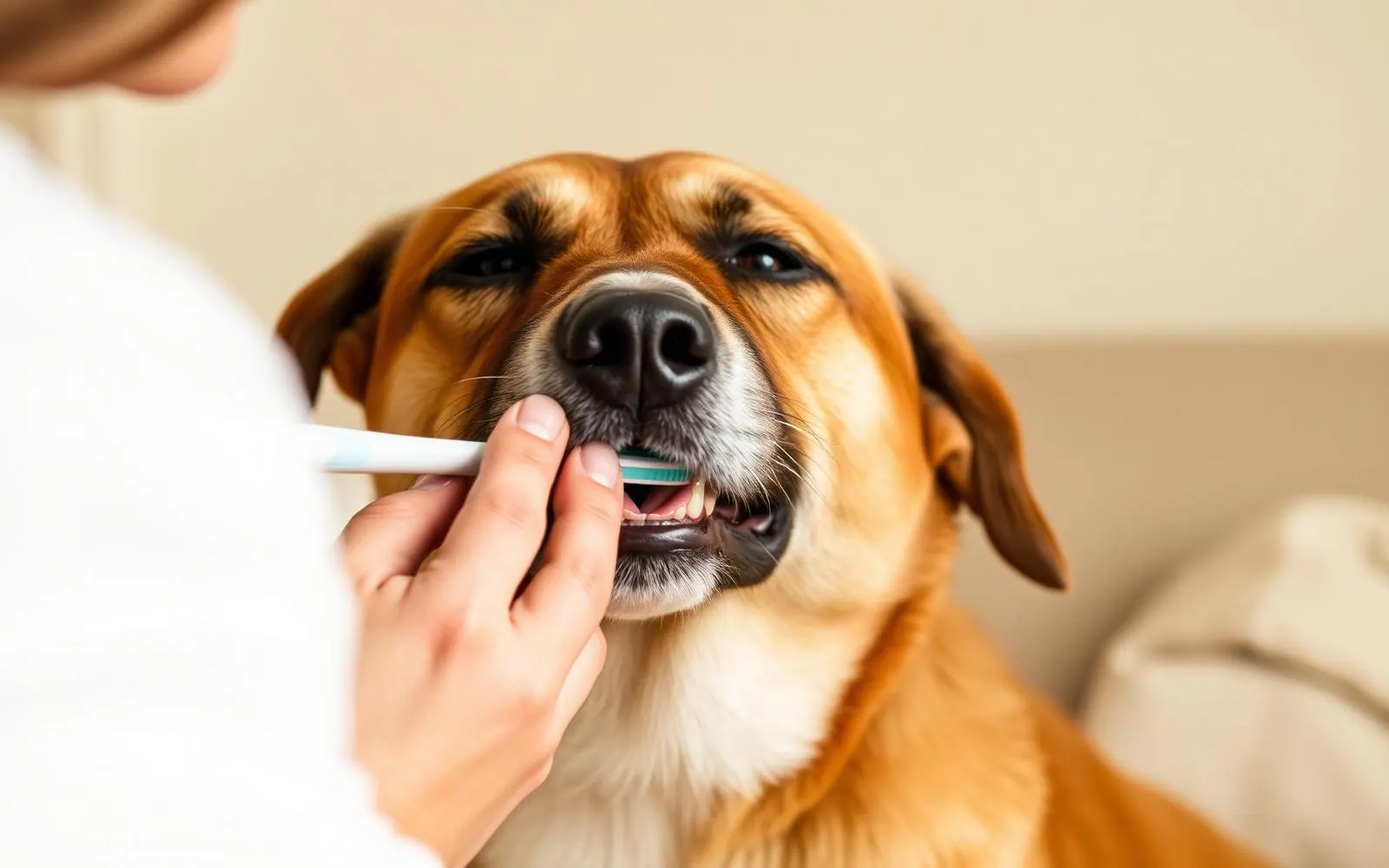
    Brush a few teeth

    Small circles along the outside surfaces, where plaque builds up most. The big teeth at the back and the canines matter most. The inside surfaces can wait — they get less build-up and most dogs dislike it.

  5. Step 5

    Finish before they've had enough

    Thirty seconds is a good session at first. Stop while your dog still thinks this is fine, and build up from there.

A gentle first week

Slow is faster here. Each day is a minute at most.

  1. Day 1Let your dog sniff the toothbrush. That's the whole session.
  2. Day 2Touch their lips gently for a second or two, then a treat.
  3. Day 3A taste of dog-safe toothpaste from your finger.
  4. Day 4Run a finger or brush along a few front teeth.
  5. Day 5Brush one side of the mouth, briefly.
  6. Day 6Both sides, still short. Praise as you go.
  7. Day 7A normal little session. Then keep it going, most days if you can.

What actually helps

Brushing is the thing with the strongest evidence behind it. Everything else is a useful extra, not a replacement.

  • A soft brush, a finger brush or even gauze — whatever your dog tolerates
  • Dog toothpaste only
  • Daily is ideal, a few times a week still helps
  • Chews and diets carrying a veterinary dental seal can help alongside brushing

About bones and hard chews

Hard chewing does not reliably clean teeth, and very hard objects are a common cause of fractured teeth — antlers, hooves, hard nylon, cooked bones, ice cubes.

  • A rough guide: if you couldn't dent it with a thumbnail, it's probably too hard
  • Cooked bones can splinter and should be avoided
  • Supervise any chew, and take it away when it gets small enough to swallow
  • Your vet can tell you which chews they see causing problems locally

Professional cleaning

Some build-up can only be removed under anaesthetic, with x-rays to see what's happening below the gumline. It isn't a failure on your part — it's part of normal care for a lot of dogs.

Based on guidance from

  • American Veterinary Dental CollegeHome dental care guidance
  • World Small Animal Veterinary AssociationGlobal nutrition and dental guidelines

Keep going

More everyday care