
DoggMatch

My Dog

Paws & nails

Thirty seconds after a walk catches most of the small problems before they become sore ones.

Paws take a beating and dogs are stoic about them. A quick look after walks is one of the easiest habits to build.

Nails that are too long change how a dog stands and can make walking uncomfortable, so they're worth staying on top of.

  1. Step 1

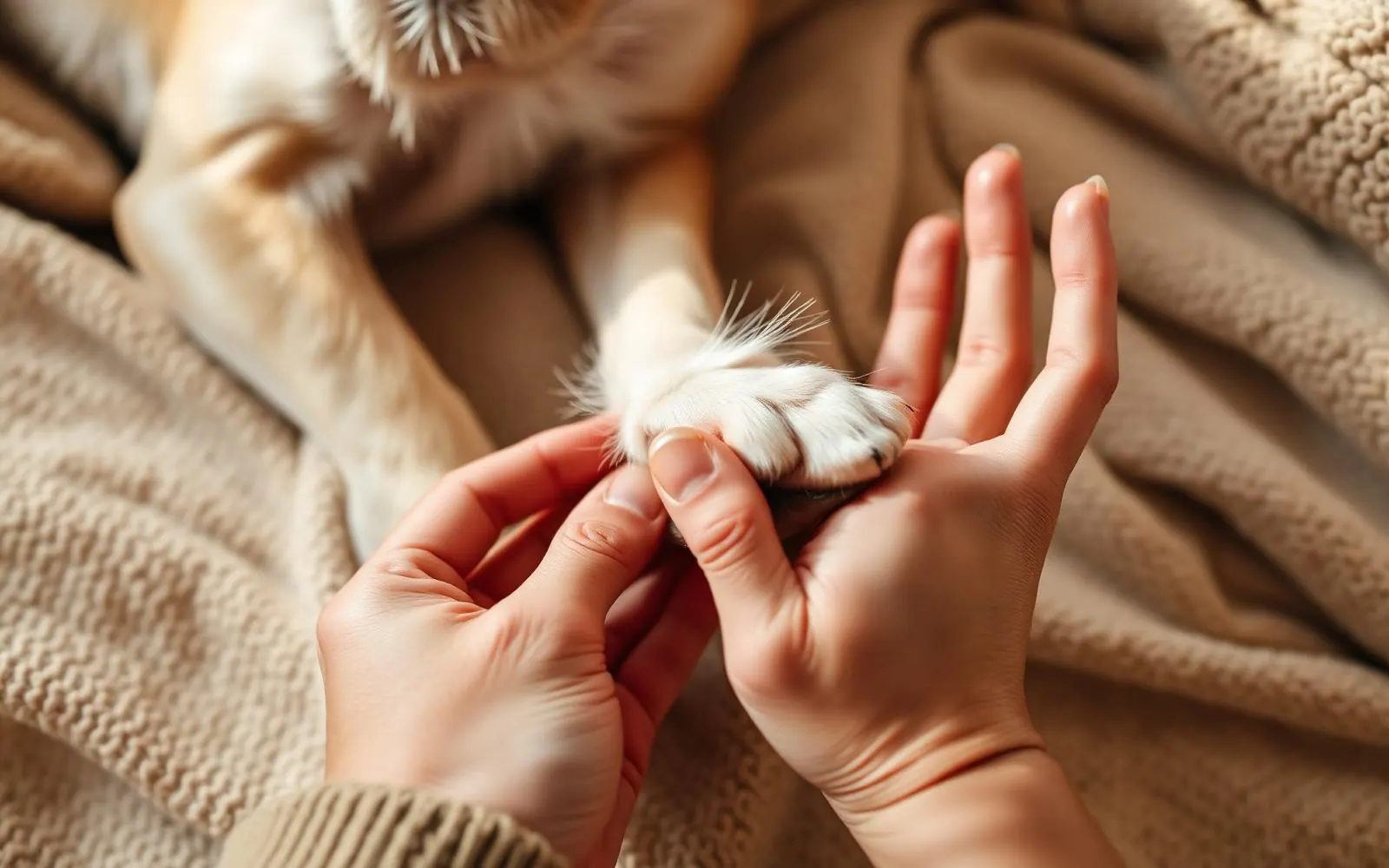
    Hold the paw gently

    Support it from underneath rather than gripping. If your dog pulls away, let them — then try again later with a treat in your other hand.

  2. Step 2

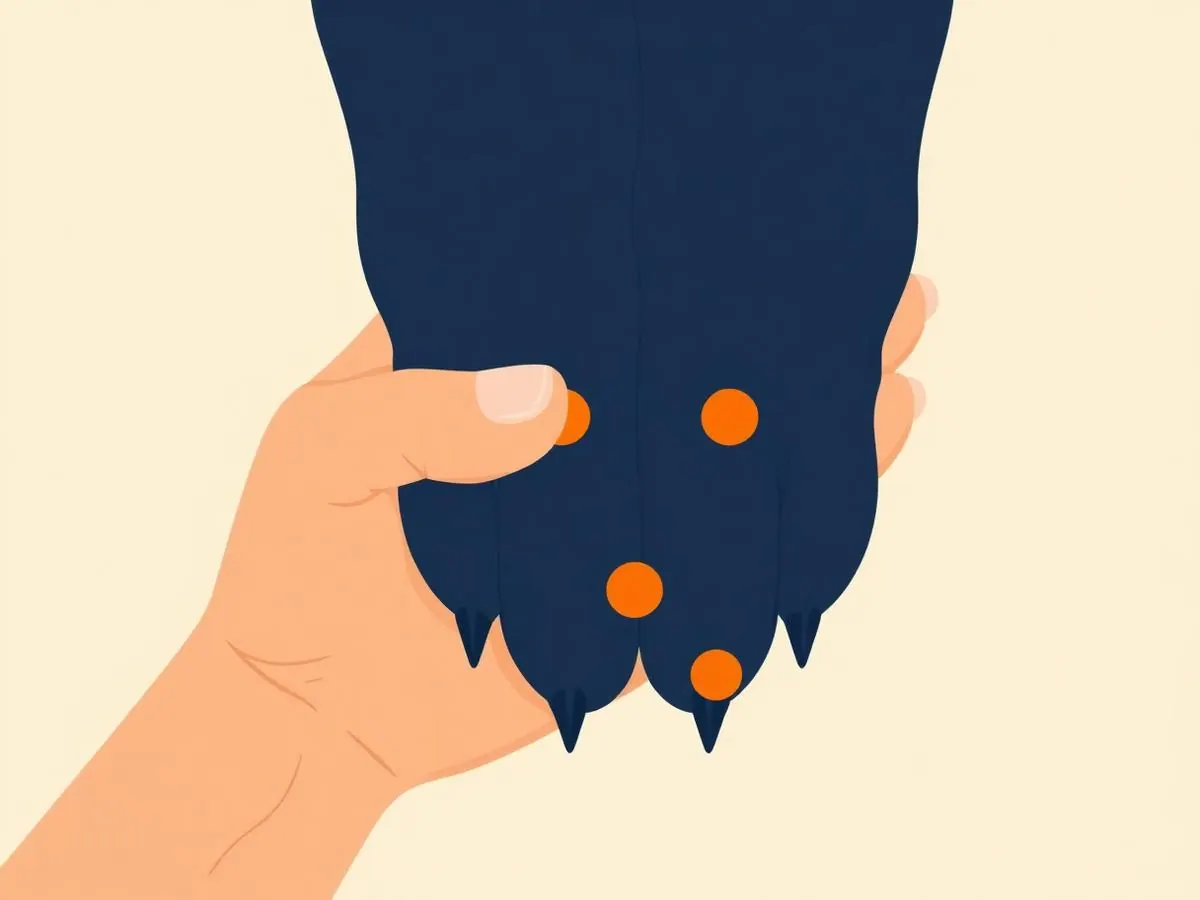
    Look between the pads

    Grass seeds, grit, road salt and small stones love it in there. In winter, rinse and dry the paws after gritted pavements.

  3. Step 3

    Feel the pads

    They should be supple. Cracks, splits, redness or a paw that's warmer than the others are worth a closer look.

  4. Step 4

    Check the fur between the pads

    In hairy-footed dogs it mats and picks things up. A careful trim level with the pads helps a lot with grip too.

  5. Step 5

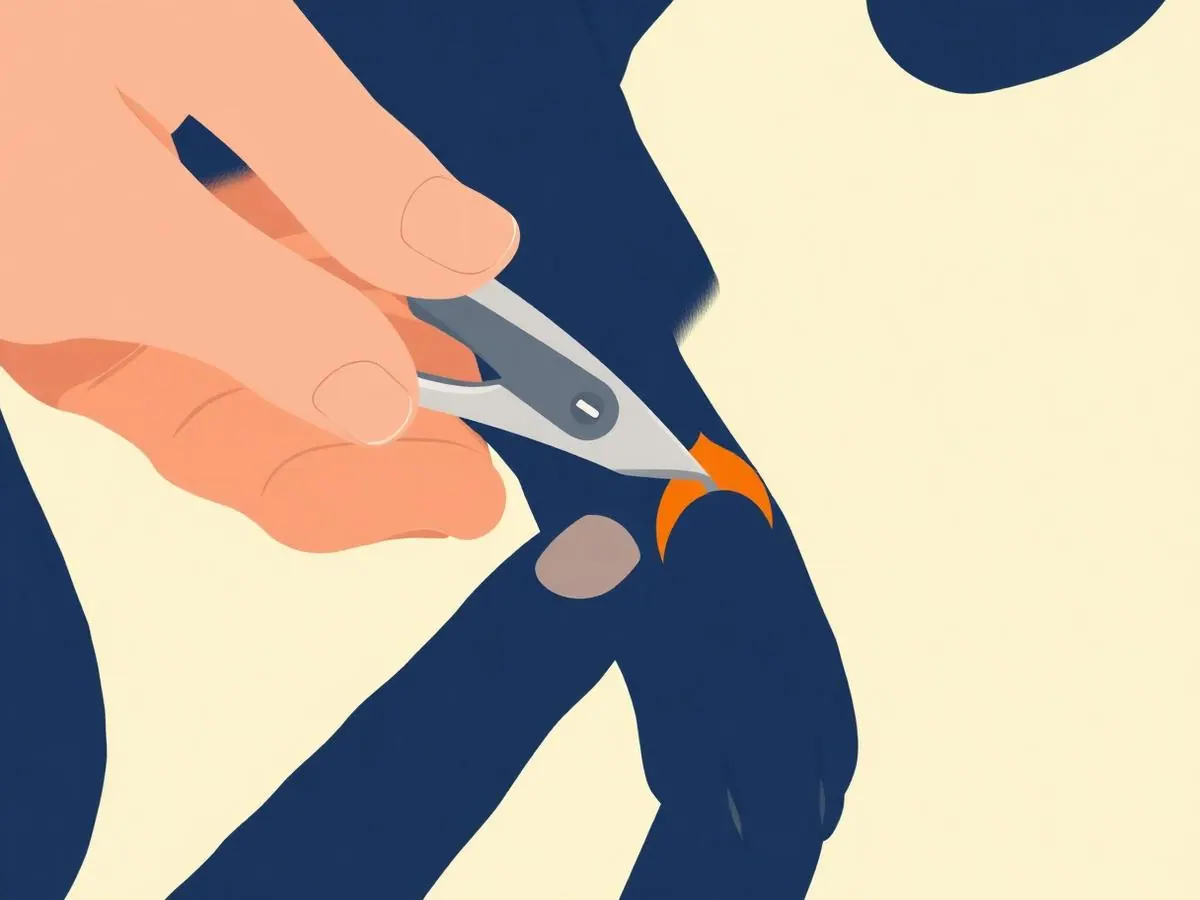
    Trim tiny amounts

    Take off just the tip, then stop. Little and often is far safer than one big session, and reward calmly all the way through.

Nails, without the drama

If you can hear clicking on a hard floor, they're probably a bit long. Most dogs need a trim every three to six weeks.

  • Touch the paws every day so clippers aren't a surprise
  • Trim the very tip only — the quick sits further down than people think
  • Dark nails: take smaller slices and stop when the cut surface looks chalky
  • Stop if your dog gets distressed. Nothing about this is worth a fight
  • A groomer or vet nurse can do it, and there's no shame in that at all

Pavements and weather

Press the back of your hand on the pavement for seven seconds. If you can't hold it there, it's too hot for paws — walk early or late instead.

  • Winter salt and grit irritate pads — rinse and dry after
  • Long walks on rough ground can wear pads sore
  • Deep snow packs into ice balls in furry feet

Based on guidance from

  • RSPCAEveryday dog care advice
  • American Animal Hospital AssociationLife stage and preventive care guidelines

Keep going

More everyday care